

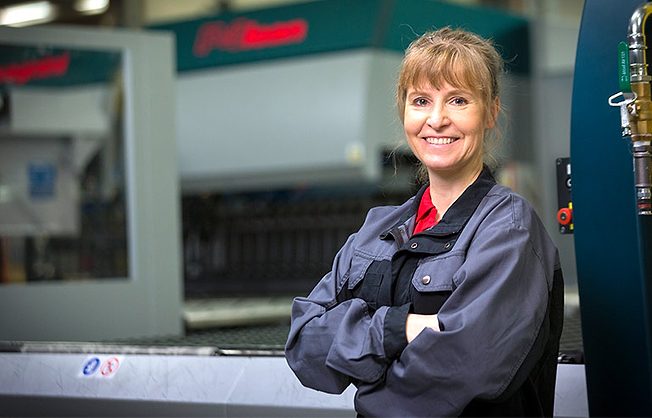
The workforce is aging. That’s not a trend—it’s reality. Employees are working longer, retirement ages are rising, and experienced workers are staying on the floor well into their 50s, 60s, and beyond. That experience is invaluable. But without intentional injury prevention and ergonomics strategies, it also comes with increased risk.
If organizations don’t adapt the work to the worker, injuries, costs, and turnover will follow. Full stop.
The Reality of an Aging Workforce
As the body ages, a few things change—whether we like it or not:
- Reduced joint mobility and flexibility
- Decreased muscle strength and recovery capacity
- Slower reaction times and balance changes
- Higher susceptibility to cumulative trauma and overuse injuries
None of this means older workers can’t perform. It means the job design, tools, and expectations must evolve.
Ergonomics and injury prevention are no longer “nice-to-haves.” They’re operational necessities.
Why Traditional Ergonomics Falls Short
Many ergonomics programs stop at the workstation:
- Adjust the chair
- Raise or lower the table
- Add a lift assist
- Check the compliance box
That’s a start—but it’s not enough for an aging workforce.
The missing piece? The human system.
Two employees can work at the same station and experience vastly different outcomes based on:
- Physical capacity
- Movement quality
- Prior injuries
- Fatigue tolerance
Ignoring the worker while only fixing the workstation is a losing strategy.
Injury Prevention Must Be Proactive, Not Reactive
For aging workers, waiting for an injury is the most expensive option.
Effective programs shift the focus to:
- Early risk identification before pain becomes injury
- Movement-based screenings to identify limitations
- Targeted corrective strategies tied to job demands
- Ongoing education, not one-and-done training
This approach keeps experienced employees productive while reducing claims, lost workdays, and turnover.
Ergonomic Strategies That Actually Work
-
Job-Specific Ergonomic Design
Design tasks around real-world capabilities—not idealized ones. This includes:
- Reducing reach distances
- Limiting sustained static postures
- Controlling repetition and force demands
- Using mechanical assists where fatigue accumulates
Smart ergonomics protect everyone—but they’re critical for aging employees.
-
Functional Movement & Capacity Assessments
Not post-offer testing. Not exclusionary screening.
Functional assessments help identify:
- Mobility restrictions
- Strength imbalances
- Movement compensations
- Early warning signs of overuse
From there, interventions can be tailored—not generic.
-
Targeted Conditioning & Micro-Interventions
Short, focused interventions make a difference:
- Mobility routines tied to job tasks
- Strengthening for high-risk body regions
- Recovery strategies built into the shift
- Education employees actually understand and use
These are small investments with big returns.
-
Culture Over Compliance
Older workers don’t want to be “managed”—they want to be respected.
Programs succeed when:
- Employees are involved, not blamed
- Reporting discomfort is encouraged early
- Leaders reinforce prevention, not just production
- Injury prevention is treated as performance support
A strong culture keeps people working safely longer.
The Business Case Is Clear
Ignoring the aging workforce leads to:
- Higher injury severity
- Longer recovery times
- Increased workers’ comp costs
- Loss of skilled labor
- Productivity disruptions
Investing in ergonomics and injury prevention leads to:
- Fewer injuries
- Faster recovery
- Higher engagement
- Better retention of experienced workers
- Sustainable operations
This isn’t about age—it’s about longevity.
Final Thought: Adapt or Absorb the Cost
The aging workforce isn’t a liability—it’s an asset when supported correctly.
Organizations that win don’t ask:
“How long can they keep up?”
They ask:
“How do we design work so they don’t have to?”
That’s the future of injury prevention and ergonomics—and it starts now.
